

Amsterdam Hospital Deploys AI to Cut MRI Scan Times by Over 60%
Amsterdam, Sunday 5 April 2026
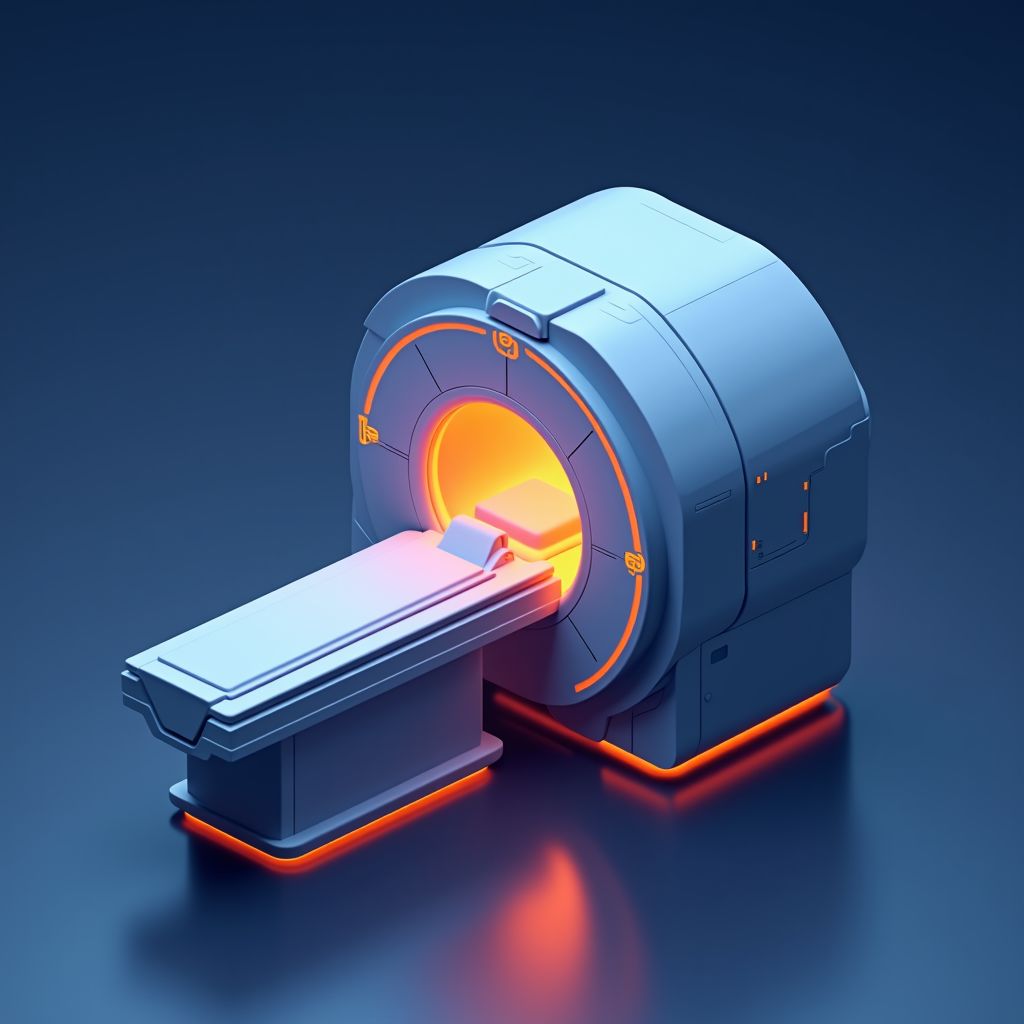
By integrating AI, Amsterdam’s Antoni van Leeuwenhoek Hospital has slashed MRI scan times from 23 to 9 minutes, significantly boosting patient capacity while simultaneously improving diagnostic image clarity.
Revolutionising Radiological Workflows
The Antoni van Leeuwenhoek (AVL) Hospital in Amsterdam has successfully deployed artificial intelligence to tackle one of the most persistent bottlenecks in medical imaging: the duration of Magnetic Resonance Imaging (MRI) scans [1]. By implementing Philips’ SmartSpeed Precise AI software on their BlueSeal MRI scanners [3], the hospital has reduced the time patients spend in the machine from 23 minutes to just 9 minutes [1][2]. This represents a time reduction of 60.87 per cent [1]. The technology is not exclusive to AVL; healthcare provider Scan Clinic has also reported reducing 60-minute MRI body scans to between 30 and 40 minutes using AI integrations [2].
Clinical Efficacy and Patient Comfort
The reduction in scan times yields a dual benefit: it increases operational throughput while simultaneously enhancing image clarity [1][2]. Patients often find it challenging to remain completely motionless inside the narrow, loud confines of an MRI tube for extended periods [1]. Furthermore, involuntary internal movements—such as respiration, cardiac rhythms, and intestinal activity—naturally cause image blurring over time [1]. By drastically shortening the scan duration, the AI software minimises the window for motion artefacts, resulting in sharper diagnostic images [1][2].
The Broader Digital Health Ecosystem
This deployment at AVL is indicative of a wider trend of digitalisation and automation sweeping through legacy healthcare systems [GPT]. For instance, medical equipment management firms like Laren-based med2med, founded in 2015, are increasingly highlighting the hidden financial value and operational efficiencies unlocked by such technological upgrades [3]. The broader Benelux digital health sector is attracting significant capital; Utrecht-based Vitestro recently secured $70 million in Series B funding to develop autonomous robotic blood collection technology [3].