Why Native Computer Security Is the New Frontier for Personal Asset Protection
Amsterdam, Tuesday 3 November 2026
Impauer Technologies has launched its PauerOne desktop application, embedding non-custodial digital asset protection directly into everyday computer chips to eliminate third-party counterparty risk amid heightened market uncertainty.
Bridging Software and Hardware-Level Isolation
On Monday, 2 November 2026, Impauer Technologies Inc. (CSE: IMPR, OTCQB: IMPTF) formally rolled out the standalone PauerOne Wallet V1 desktop application across Microsoft Windows, Apple macOS, and Google Chrome OS [1][2]. The deployment addresses a core vulnerability within modern digital finance: the reliance on centralised intermediaries and vulnerable web interfaces [1][2]. By leveraging native desktop architecture, the software employs isolated execution environments that bridge the gap between complex software-as-a-service interfaces and local silicon security [1][2]. Rather than keeping cryptographic credentials exposed in browser-level caches, the architecture anchors critical signing mechanisms directly into host operating systems [1][2].
Leveraging Native Hardware Enclaves and Social Cryptography
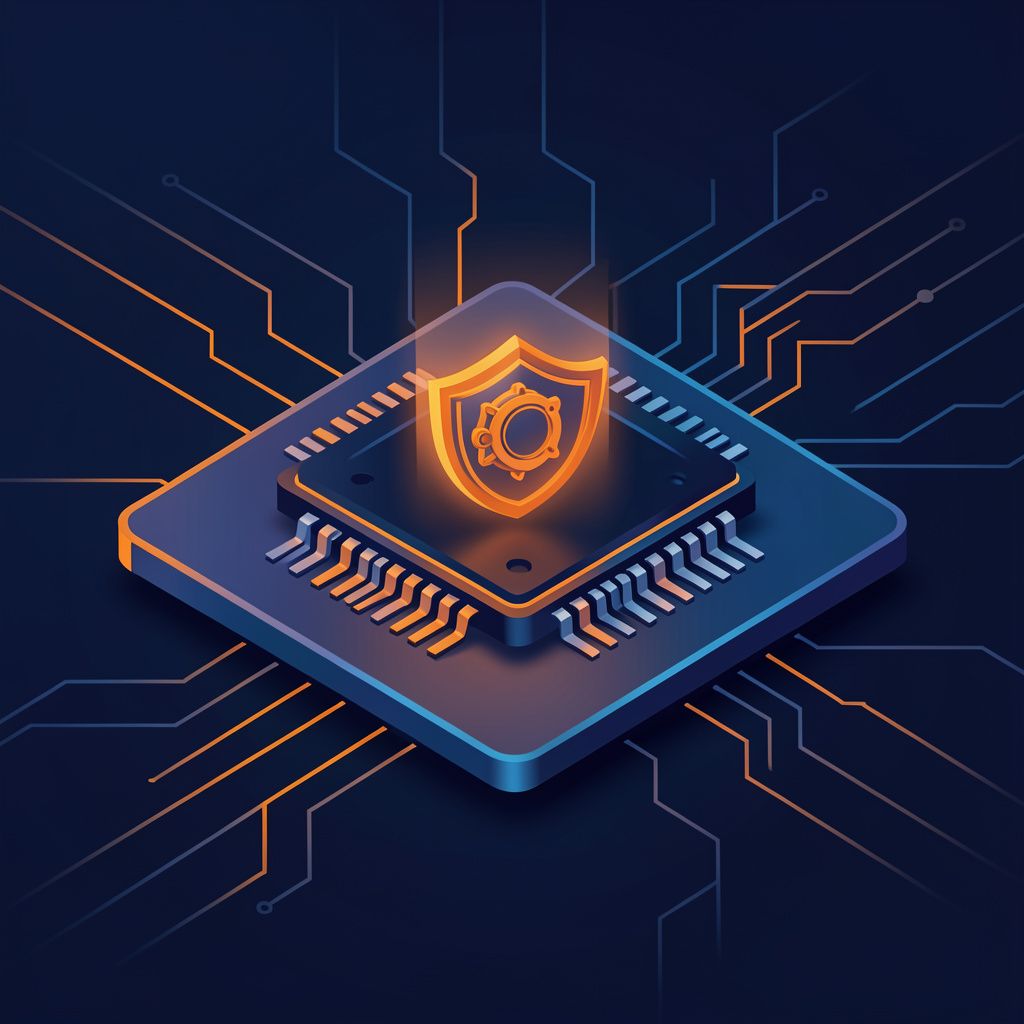
At the heart of this deployment is the integration of native hardware-enclave encryption, such as the Trusted Platform Module (TPM) on Windows and Chrome OS machines, alongside the Apple Keychain architecture on macOS [1][2]. This configuration ensures that private cryptographic keys are generated, partitioned, and stored locally within dedicated hardware boundaries rather than exposed to cloud infrastructure [1][2]. Suha Askary, Chief Executive Officer of Impauer Technologies, emphasised that recent macroeconomic and industry developments have prompted market participants to aggressively pursue non-custodial custody models [1][2]. By employing hardware enclaves to anchor keys locally, PauerOne ensures asset holders retain uncompromised, direct ownership of their private keys across multiple platforms [1][2].
Enhancing Usability with Multi-Party Computation and Swaps
Historically, non-custodial asset storage presented a steep learning curve for retail and institutional users due to the fragility of manual recovery phrases [GPT]. To mitigate this point of failure, the PauerOne V1 infrastructure incorporates multi-party computation (MPC) and social key-sharding, allowing client-side key fragments to interface with native biometric authentication mechanisms, including Apple Touch ID and Face ID, as well as institutional-grade seed phrases and Apple or Google federated credentials [1][2]. The application couples this multi-network asset control with non-custodial peer-to-peer swap functionality and integrated in-app engagement rewards, creating a cohesive financial workflow directly within the desktop client [1][2].
Strategic Scaling and Cross-Platform Distribution
The desktop deployment complements an existing multi-platform footprint that includes mobile distribution on Android through the Google Play Store, a web application, and browser-level access on the Google Chrome Web Store, ensuring unified multi-chain asset access across retail and enterprise devices [1][2]. Alongside the technology rollout on 2 November 2026, Impauer Technologies announced the appointment of Stanley Keystone to its Board of Directors [1][2]. Bringing over 20 years of commercial experience, Keystone’s addition is structured to steer the firm’s strategic expansion, business development, and commercialisation initiatives [1][2]. As Chairman Raymond O’Neill noted, expanding leadership capabilities remains integral as the company scales its proprietary technology to capture growing institutional demand for sovereign digital custody [1][2].